
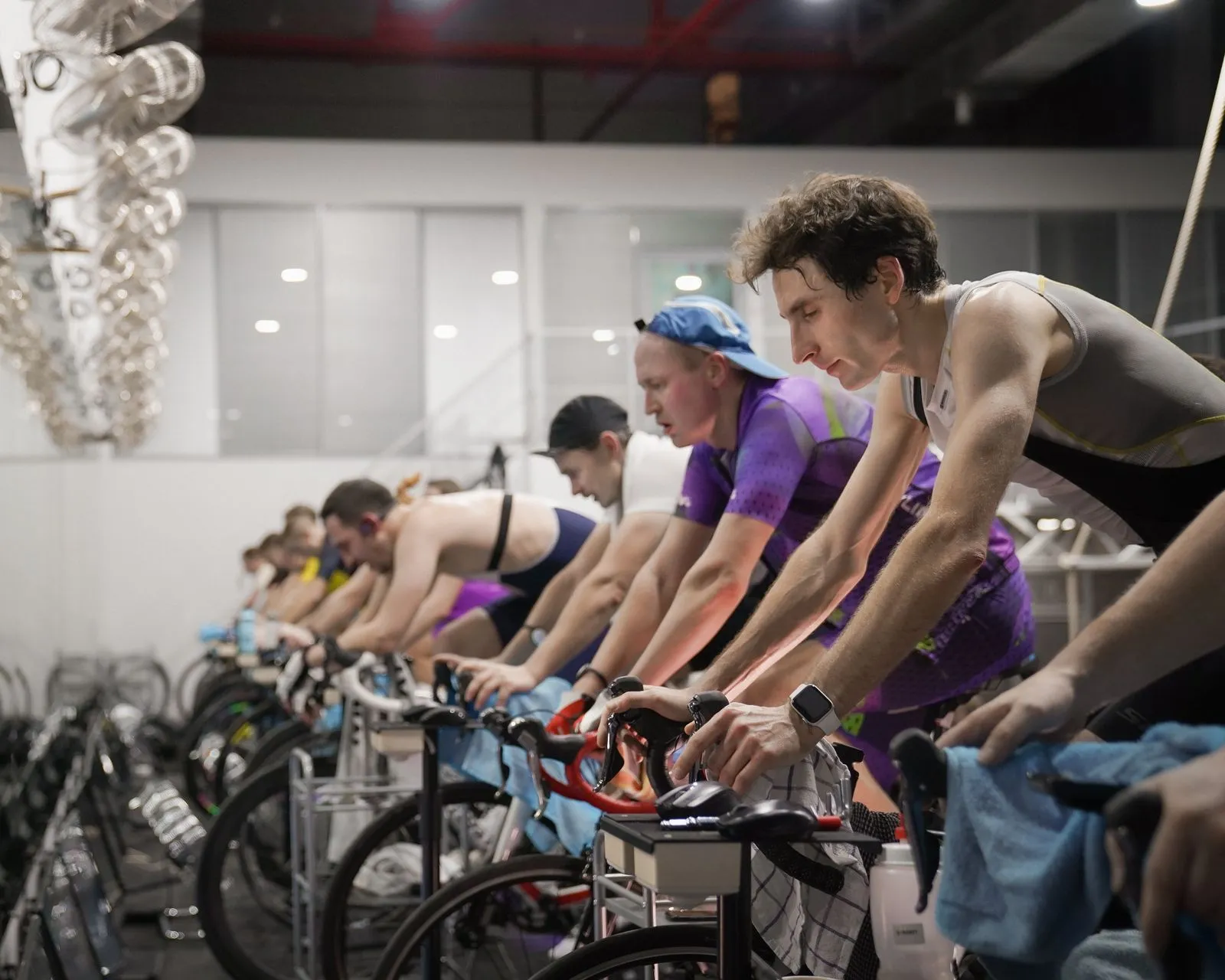
Your first indoor cycling class may include unfamiliar equipment, music, and instructor cues, but you do not need cycling experience to begin. Arrive early so you can learn the bike controls and ask for help before the ride starts. Wear comfortable clothes, bring water, and choose a pace you can sustain. You can adjust resistance, take breaks, and stay seated whenever needed. The goal is to get comfortable with the setup and movement, not to match everyone else.
Prepare Before You Arrive
Wear breathable clothing that allows your legs to move freely, along with supportive athletic shoes. Many studio bikes use toe cages or clip-in pedals; ask the studio what its bikes require before class. Bring a water bottle and a small towel. If you have an injury, health concern, or are returning to exercise, consider checking with a health professional and tell the instructor before class.
Plan to arrive 10 to 15 minutes early, or follow the studio’s recommended check-in time. Let the instructor know it is your first class so they can explain the bike and common cues. If you need help adjusting the seat or handlebars, ask before the room gets busy. Keep personal items out of walkways and silence your phone so you can focus.
Set Up Your Bike
Stand beside the bike and adjust the seat to roughly hip height as a starting point. Sit down, place your heel on a pedal at its lowest point, and check that your leg can straighten without locking your knee. When you pedal with the ball of your foot over the pedal, your knee should retain a slight bend at the bottom of each stroke.
Set the handlebars at a height that lets you reach them comfortably without hunching or locking your elbows. The seat should feel stable, and your weight should stay balanced rather than pressing heavily through your hands. Tighten adjustment knobs and check that the pedals feel secure. Bike designs vary, so ask the instructor to check your fit before class begins.
Follow Cues at Your Pace
The instructor may ask you to change cadence, add or reduce resistance, or move between seated and standing positions. Cadence means how quickly you pedal; resistance controls how much effort each pedal stroke takes. Make changes gradually. If a cue feels confusing, stay seated, keep pedaling comfortably, and watch the instructor or ask for clarification after class.
Use the resistance knob to find a controlled effort: your pedals should not feel as if they are spinning without resistance, and you should not have to strain to turn them. You do not need to copy the instructor’s speed or choose the same resistance as nearby riders. Reduce effort when you need to recover, and stop if you feel pain, dizziness, or unusual shortness of breath.
Ride Safely and Recover
Keep your hands relaxed on the handlebars, shoulders down, and elbows soft. Avoid leaning your full body weight onto your arms. If you stand, rise smoothly and keep your feet connected to the pedals. If your shoes are clipped in, learn how to release them before the ride; with toe cages, check that the straps feel secure but not restrictive.
After class, pedal easily for a few minutes if the instructor leads a cooldown, then dismount carefully. Drink water and notice how your body feels later that day. Some muscle fatigue can follow a new workout, but sharp pain is a reason to stop and seek appropriate guidance. If a bike setting felt uncomfortable, describe it to the instructor before your next class.
A first ride is easier when you arrive early, get a careful bike fit, and treat each cue as an option to adjust—not a test to pass. Keep your effort manageable and ask questions when you need help. When you are ready, contact Northline Studio to learn about an upcoming class and what its bikes require.